
Sovereign AI
Infrastructure
Why power-to-compute is becoming the next strategic infrastructure asset class.
Want the full sovereign AI infrastructure framework?
Download the 10-page report on power-to-compute, sovereign strategy, project finance, and grid-first siting.
Executive Synthesis
AI compute is migrating from a private technology procurement problem into a public-interest infrastructure problem. Demand is becoming too large, too power-intensive, and too geographically concentrated to be handled as ordinary data-center expansion.
The gating factor is no longer only GPU availability. It is the integrated ability to secure firm power, grid capacity, permits, cooling, industrial land, public acceptance, and long-duration financing.
The financing architecture is beginning to look infrastructural as well: greenfield investment, project-finance deals, private credit, securitization, and infrastructure-style debt are scaling into AI data centers. The concession model remains uneven, while the direction of travel is clear.
Compute is becoming strategic capacity.
Governments and investors increasingly want de-risked compute platforms with power, permits, public support, and anchor demand already assembled.
Why the Shift Is
Happening Now
The immediate catalyst is politics: AI electricity demand has become a voter-affordability issue and a live infrastructure-policy debate.
Ratepayer exposure, construction work in progress cost recovery, concentrated load growth, and local grid pressure are turning data-center siting into an infrastructure-policy debate. Capital markets are reacting by financing large AI facilities with the same toolkit used for long-lived strategic assets.
Electricity Becomes the Constraint
Data-center demand is now large enough that grid access, transmission queues, transformers, generation, water, and permitting can matter more than GPU procurement alone.
Policy Treats Compute as Strategic
Europe, Canada, Saudi Arabia, the UAE, and OpenAI country partnerships point toward sovereign compute moving from concept into policy design.
Capital Markets Reclassify the Asset
Project finance, private credit, investment-grade debt, and securitization are scaling into AI data centers as long-lived infrastructure.
Public Acceptance Becomes Bankability
Ratepayer exposure, water use, local grid impacts, and community opposition now directly shape the investment case.
“Speed-to-power” is becoming the central principle for AI infrastructure siting.
Grid-first Compute
The winning site is the one with the fastest credible path to firm, expandable electricity, adequate cooling, transmission headroom, land control, and permitting certainty.
Countries that want sovereign compute capacity need industrial zoning for electricity-intensive digital assets: pre-cleared land banks, transmission-ready sites, water and heat-management plans, and public processes that link AI ambition to grid planning before the load arrives.
Electricity Demand Trajectory
The strategic bottleneck shifts toward firm, expandable electricity and the public process required to approve it.
Firm power
Expandable electricity, queue position, redundancy, and credible generation or import strategy.
Industrial land
Pre-cleared sites with room for phasing, substation expansion, security, cooling, and service corridors.
Permitting path
Environmental review, water, heat, transmission, local approvals, and a public affordability narrative.
Connectivity
Fiber, latency profile, redundancy, and regional demand access.
Sovereign alignment
Government support, public-sector compute demand, grants, concessional capital, or strategic ownership.
Dedicated Power Structures
Dedicated power for AI campuses is no longer speculative. It is becoming one answer to grid delay and political sensitivity.
The menu is wider than captive generation. It includes private wires, behind-the-meter generation, storage, firmed PPAs, islandable microgrids, and capacity-style commitments. The practical test is whether the power structure is financeable, expandable, environmentally defensible, and legible to utilities, regulators, communities, and lenders.
Private-wire power
Dedicated links to renewable, gas, or hybrid power assets reduce exposure to slow grid interconnection and public-cost disputes.
Behind-the-meter generation
Dispatchable onsite power paired with storage can compress schedule risk while adding emissions, fuel, and community scrutiny.
Islandable microgrids
Partial islanding creates resilience and can let campuses operate as grid assets when designed with utility coordination.
Firmed PPAs
Long-tenor contracts translate power supply into a financeable input that lenders and public authorities can underwrite.
Capacity-style commitments
Large users increasingly may need to pay for system readiness as well as consumed energy to avoid shifting infrastructure risk to households.
The Bankability Stack
For sovereign compute, the core question is whether the full package can clear credit, permitting, and political scrutiny.
Anchor demand, power certainty, sovereign alignment, site certainty, and construction control need to be packaged together. A project that loses two years to transmission, transformers, turbines, water opposition, or unclear offtake can miss the strategic window that justified public support.
Revenue base
Anchor Demand
Lease, public compute reservation, or initial offtaker
Clears
Who pays for capacity?
Serviceable load
Power Certainty
Queue position, PPA, self-supply, and redundancy plan
Clears
Can the load be served?
Policy mandate
Sovereign Alignment
Grants, concessional loans, mandate, or strategic ownership
Clears
Why should the public sector support it?
Permitted campus
Site Certainty
Land control, water plan, permitting path, and fiber access
Clears
Can the campus clear locally?
Deliverable schedule
Execution Control
EPC plan, transformers, turbines, and supply-chain control
Clears
Can it arrive inside the strategic window?
Bankability is the product.
The asset becomes investable when site, power, permits, public support, and offtake can be reviewed as one package.
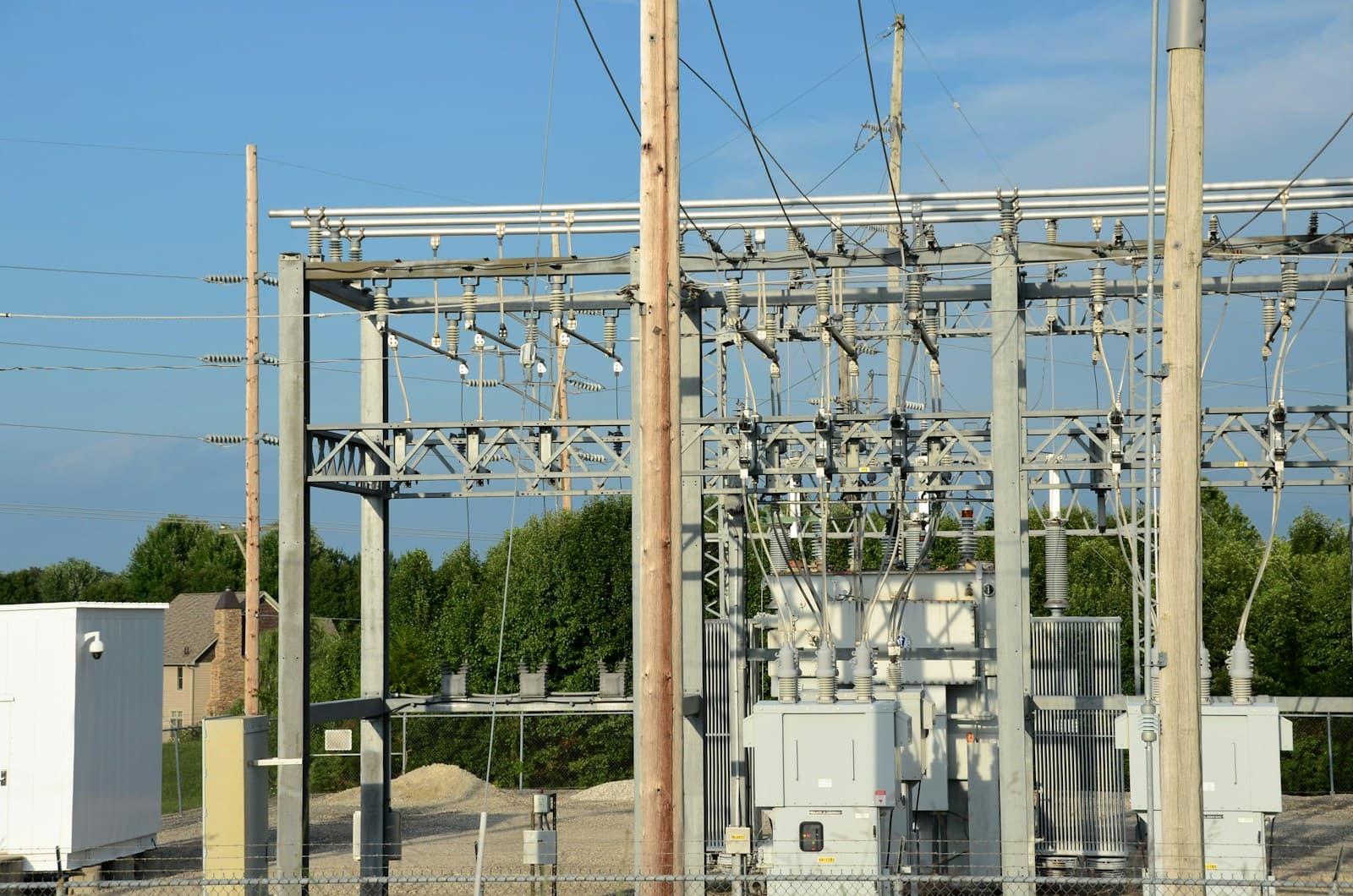
The bankability model behind sovereign compute
A practical view of the evidence, power structures, public alignment, and project-finance logic needed to make AI infrastructure investable.
Compute as Export
A country with surplus or low-cost firm power can capture more value by converting that power into compute services than by merely exporting raw electrons.
The strongest proof points today are state-backed Gulf platforms and Nordic projects designed for regional demand. Emerging-market examples are earlier, with the direction visible where power, fiber, local hosting requirements, and development finance align.
A careful framing
Mature compute-export hubs are still forming. The strategic direction is real, and the country-by-country economics will depend on resource base, carbon policy, broadband, political stability, and time-to-market.
Conversion Asset
AI Compute Campus
Power, fiber, permits, cooling, and sovereign wrapper.
Gulf
Energy + capital
Regional sovereign AI capacity
Proof
Scale, offtake, geopolitics
Nordics
Hydropower + cool climate
Low-carbon training and inference
Proof
Power quality, regional demand
Emerging markets
Reliable power + fiber + DFI support
Local hosting and nearby cloud capacity
Proof
Control, latency, bankability
Our Execution Framework
Sovereign AI infrastructure demands a builder-broker who can assemble the full stack: firm power, expandable land, permits, water and heat management, sovereign alignment, and bankable offtake. We bring that capability to every engagement.
We originate sites, package public-private infrastructure logic, align developers and financiers, and turn strategic compute demand into project finance-ready propositions for our partners.
Originate
We identify countries, utilities, landowners, and industrial zones where firm power and sovereign AI demand converge — so you enter with a structured opportunity, not a search.
Package
We assemble land, power, water, fiber, permits, offtake, and public support into one bankable platform — ready for your capital and expertise.
De-risk
We build the ratepayer, community, water, heat, permitting, and counterparty evidence that gives your investment committee the clarity to move.
Broker
We connect governments, hyperscalers, power developers, financiers, EPCs, and anchor users around a clear compute mandate — positioning you at the center.
Open Questions and Limitations
The full concession-style procurement model remains forward-looking.
Public sources confirm grants, loans, advisory support, sovereign ownership rules, compute reservations, and state-backed AI infrastructure platforms. A uniform global template equivalent to mature concessions in ports, pipelines, or power generation has yet to emerge.
Dedicated power economics are also unsettled. Gas can solve schedule risk quickly while creating carbon and fuel-price exposure. Renewable-heavy structures can improve emissions and long-run cost while requiring more storage, transmission, and firming complexity.
Key takeaway
Sovereign compute is moving into policy design.
The exact financing and power architecture will vary by country.
The Report Behind Power-to-compute Infrastructure
Download the full BG Titan Group report with the grid-first strategy, dedicated power menu, bankability stack, compute-as-export model, and BG Titan execution framework.
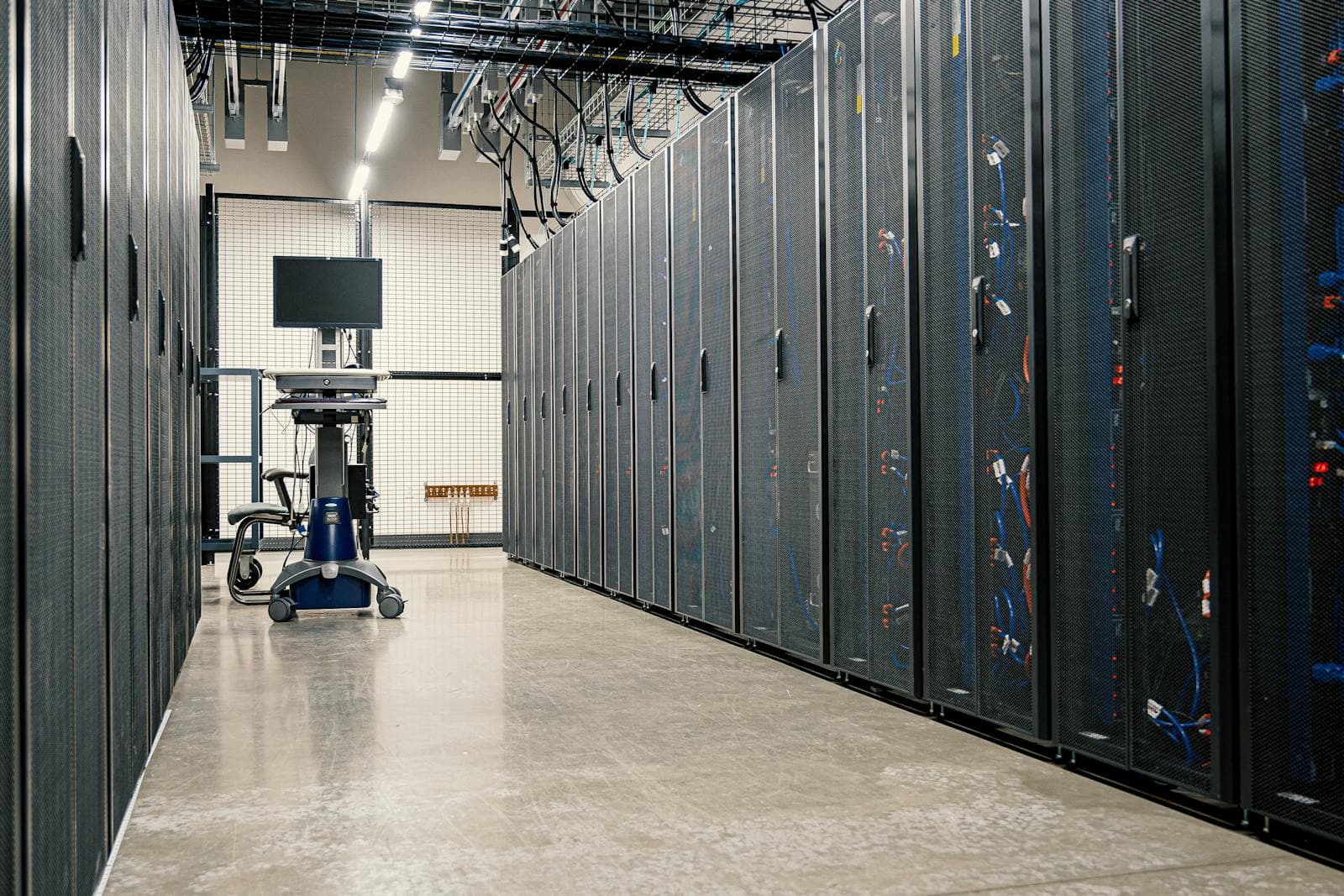
Power-to-compute Is the Asset Class
GPUs remain essential. Policy makers ultimately procure strategic capacity: compute that is powered, permitted, sovereign-aligned, financeable, and politically defensible.
We approach sovereign compute the way we approach ports, power plants, terminals, and industrial corridors: as a coordinated system of land, energy, permits, offtake, public alignment, and capital — assembled as one investable platform.
The actors who can package the platform will matter more than the actors who merely resell the hardware.
Platform Ingredients
Source Context
- International Energy Agency data-center electricity demand outlook
- U.S. Department of Energy data-center electricity estimates
- UNCTAD greenfield investment data for data centers
- Reuters reporting on AI data-center project finance and power costs
- KBRA data-center infrastructure debt commentary
- European Commission, EIB, and Canada sovereign compute programs
- World Bank cloud and data-center investment criteria
- Public announcements from OpenAI, G42, HUMAIN, and related sovereign AI platforms
This report is produced by BG Titan Group and draws on public-source data and strategic analysis. It does not constitute investment advice or confirm non-public commercial terms.